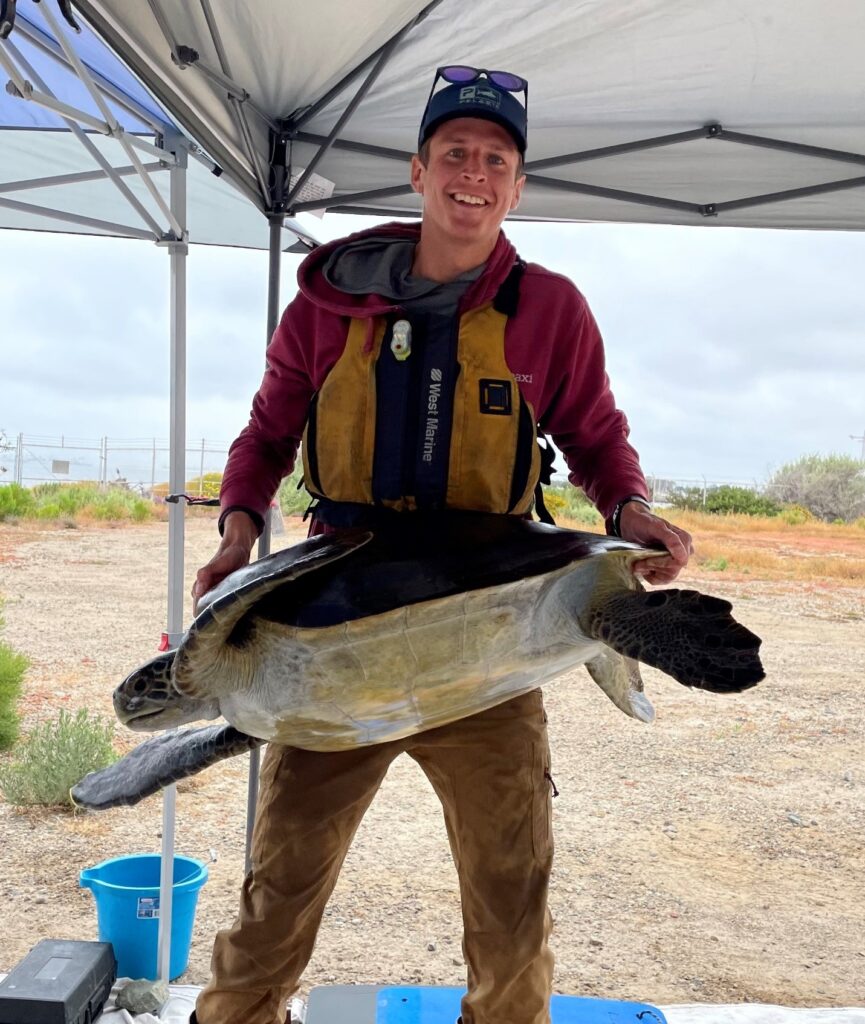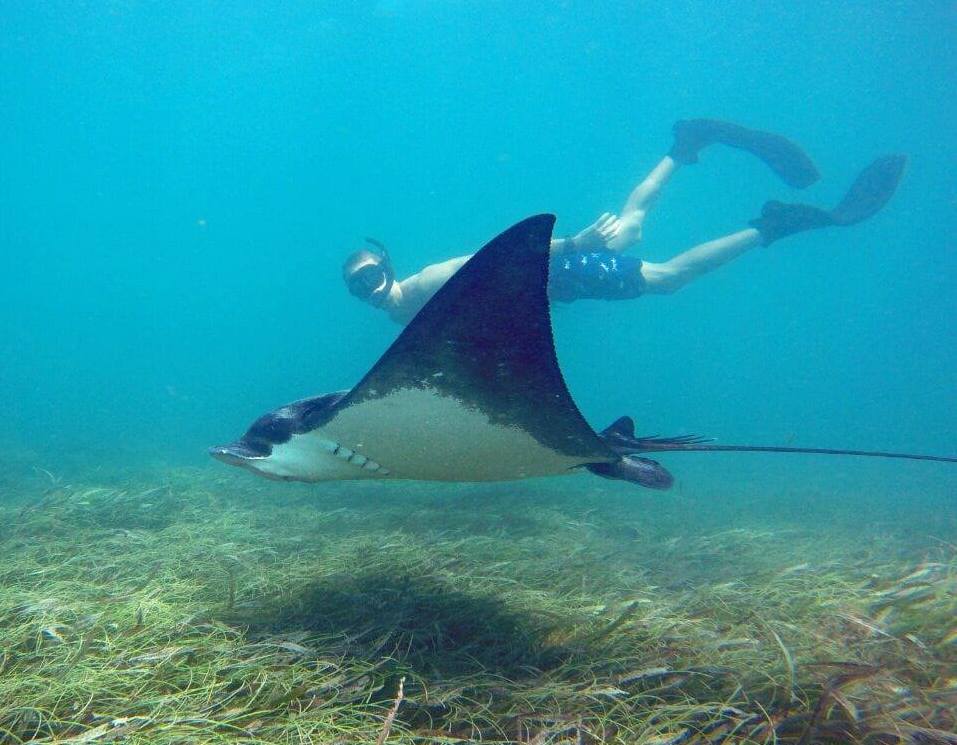
I am a Research Fellow at the University of Queensland (UQ), where I work in the Applied Marine Biogeography Lab led by Daniel Dunn.
From my position at UQ, I work under the Blue Corridors for Turtles project—an initiative coordinated by UQ, the World Wide Fund for Nature (WWF), the State of the World’s Sea Turtles Program (SWOT; part of the Oceanic Society), Collecte Localisation Satellites (CLS), and the Secretariat of the Convention on Migratory Species (CMS). This work is in close partnership with the IUCN-SSC Marine Turtle Specialist Group (MTSG) and data contributors worldwide.
I am also an active member of the Jumby Bay Hawksbill Project in Antigua, West Indies, where I contribute as a Senior Research Associate.
Lastly, my recent background included an affiliation with the Marine Turtle Ecology & Assessment Program (MTEAP) at NOAA’s Southwest Fisheries Science Center, where I worked as a National Research Council Postdoctoral Associate. I continue to collaborate with the MTEAP team today.
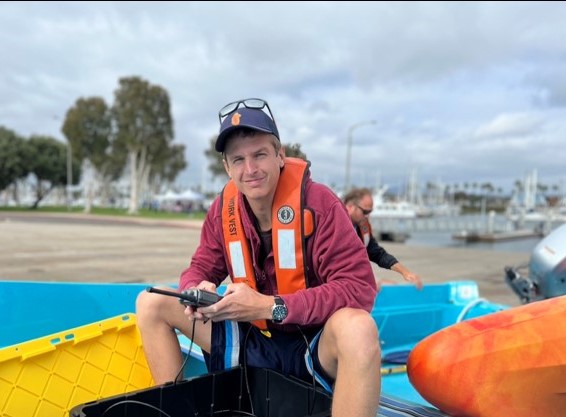
As an applied ecologist, my research is geared toward supporting the conservation of at-risk species. My research background is diverse, but my projects generally fall within three focal areas:
- Spatial ecology and area-based management: Using satellite telemetry, other bio-loggers, and quantitative tools for resulting data, my research focuses on how animals use space, integrating patterns with environmental/oceanographic data to reveal trends in habitat use, resource selection, and energetics. Increasingly, my research program has featured big datasets—amassed through collaborative data sharing—to address major questions in spatial ecology and generate information for area-based management. My current work takes this approach to support the establishment of Important Marine Turtle Areas.
- Population ecology / demography: My research utilizes rigorous field sampling and leading models to quantify important demographic parameters like vital rates, sex ratios, and abundance. Through this work, I seek to assess population status and understand the drivers of trends.
- Global change biology: Global change poses a suite of threats to at-risk species. Some threats are widely recognized (e.g., global warming), whereas others arise seemingly out of the blue (e.g., when thresholds are crossed). I pursue a range of interdisciplinary projects aimed at understanding the effects of global change on populations.
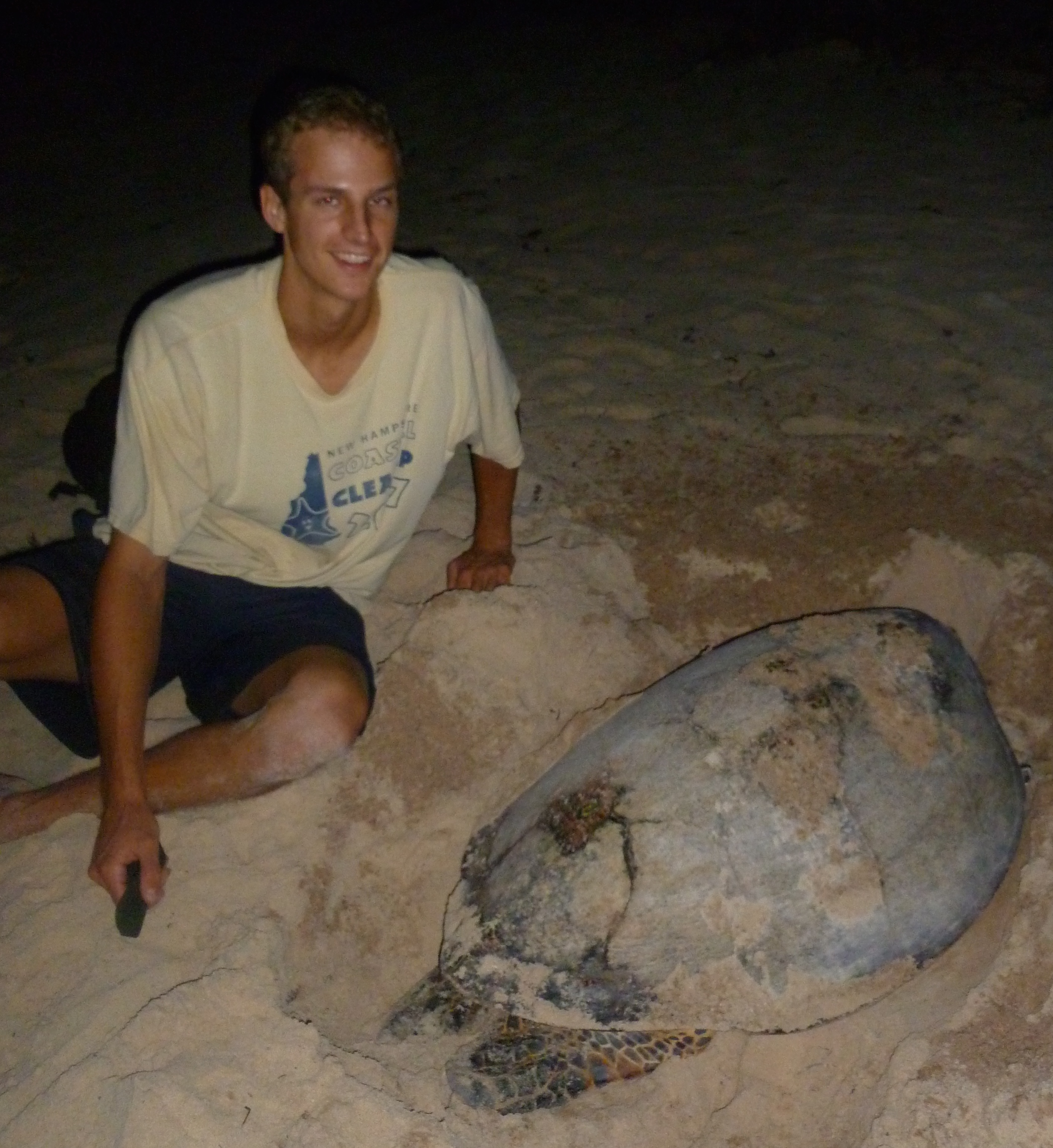
My background spans many systems and species, but I am foremost a sea turtle biologist. I conduct research on sea turtles ranging from remote tracking, to mark-recapture sampling on boats and beaches, and measuring egg incubation temperatures. I take pride in being both a field and quantitative ecologist, meaning that I enjoy not only collecting data, but also manipulating and modeling it.
I am committed to making the life sciences more equitable—take a look at my former lab’s statement on diversity and inclusion for an example of my ideas on these topics.
Finally, I place major importance on my roles in mentorship, education, and community engagement. Please see my page covering these subjects for more info.